
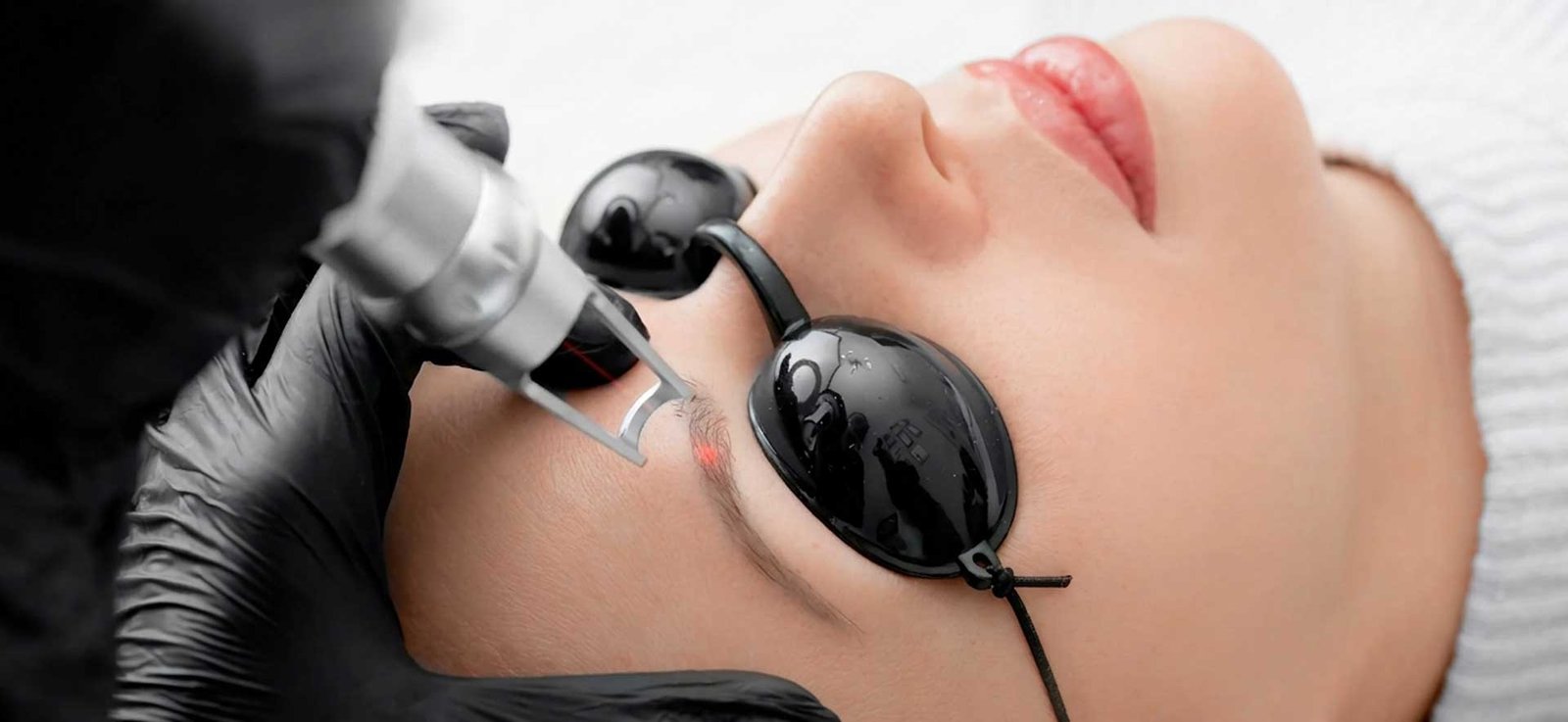

If you are considering laser tattoo removal, one of your first questions is probably, “How many visits will it take?” There is no reliable single number for everyone. Two tattoos of similar size can respond differently because of their ink, depth, location and the way an individual heals.
Laser treatment breaks tattoo pigment into smaller fragments that the body can gradually clear. The process takes time, and complete removal cannot be guaranteed. A consultation is the right place to estimate what may be realistic for your particular tattoo.
Six Factors That Affect Your Treatment Plan
1. Ink color
Different pigments respond to different laser wavelengths. Dark pigments often respond differently from green, blue or other colors. A multicolored tattoo may require a more complex plan than a single-color design.
2. Tattoo size and ink density
A small, lightly shaded design is not the same as a large piece with dense, layered pigment. Cover-ups and repeatedly worked areas can contain more ink than they appear to at first glance.
3. Professional or amateur application
The depth and consistency of ink placement can vary. A professionally applied tattoo may be more uniform, while an amateur tattoo may have uneven ink depth. Either can present challenges, so appearance alone cannot reliably predict the number of sessions.
4. Tattoo location
The body’s response and circulation differ by body area. Location can influence how quickly visible fading develops between sessions.
5. Skin characteristics and prior scarring
Skin tone, history of pigment changes, existing scars and certain medical conditions can affect treatment selection and risk. The provider should evaluate these before recommending laser settings or a schedule.
6. Your goal: full removal or lightening
Some clients want to fade a tattoo enough for a cover-up, while others hope for maximum removal. Those goals can lead to different treatment plans. It is worth deciding what success means to you before beginning.
Why Sessions Are Spaced Apart
Fading continues after a laser session, as the treated area heals and the body processes pigment fragments. Additional treatment too soon can increase the risk of skin injury. Your provider should specify an interval based on the tattoo, equipment and healing response rather than promising a universal schedule.
Can a Tattoo Be Removed Completely?
Not always. Some pigments can be resistant, and residual color or changes in skin texture may remain. Results are influenced by the factors above. Be cautious about guarantees that a particular tattoo will disappear after a fixed number of visits.
What Happens Between Appointments?
Your provider should give specific aftercare instructions. Temporary redness, swelling and blistering may occur. Protect the area and avoid picking at healing skin, which can increase the risk of unwanted changes. Contact the treating clinic if symptoms are unexpectedly severe or you have concerns about healing.
Questions Worth Asking Before Your First Session
- Is full removal a realistic goal, or is significant lightening more likely?
- Which ink colors may be difficult to treat?
- What are the risks for my skin tone and history?
- How will we decide when it is safe to schedule the next session?
- How will results be documented and progress assessed?
Getting a Personalized Estimate in Frisco
The most useful estimate comes from looking at the tattoo, not from a generic online calculator. For equipment, consultation and booking information, see Geneva Med Spa’s Laser Tattoo Removal service page. This article explains the factors behind session counts; the service page explains how to arrange care at the Frisco location.
Information is educational and does not replace a clinical assessment.



 Request a Consultation
 Call/Text 469-403-8883